We loved it there The burger and fries were pretty close to what we can get in the U.S. the staffs there were all super friendly and nice. I had reservation thru an app and when I booked, it asked if it was anyone's birthday and what's the birthday person's name. Since my husband had birthday in few days, I put his name there. They surprised him with birthday music, dessert with a hand written chocolate name plate, and a card with your picture on it! Oh the dessert had a sparkler!!! We had 4 drinks, 2 burgers with fries, a half size nachos. The bill was less than 9,000yen. How!? They didn't charge for the dessert!? They were super nice. Atmosphere is foreign and kind of eccentric? Anyway, we loved it there !!! We would definitely be going back if we lived closer. Well, we probably still will ;)
Overview
If you ever find yourself wandering around 〒220-0005 Kanagawa, Yokohama, Nishi Ward, Minamisaiwai, 2 Chome−1−3 斉藤ビル 1F in Yokohama, you might catch the comforting aroma of grilled meat and simmering sauces drifting out from Stoves. Tucked into the lively streets of Kanagawa in Japan, this diner-style restaurant has built a loyal following for doing something refreshingly simple: cooking honest food with serious attention to heat, timing, and flavor.
I’ve visited more than once, and what keeps pulling me back isn’t just the menu-it’s the way the kitchen treats its stoves as the heart of the operation. You can actually see the chefs working the burners with precision, adjusting flame levels in seconds. It reminds me of a culinary workshop rather than a typical casual eatery. According to the Japan Food Service Association, consistency in heat control is one of the top factors influencing food quality in small-scale restaurants, and you can taste that consistency here in every bite.
The menu leans into hearty Western-style dishes with a Japanese twist. Their hamburger steak, sizzling as it arrives at the table, is a perfect example. The patty is seared at high heat to lock in juices-a method often recommended by culinary institutes like Le Cordon Bleu-then finished gently to maintain tenderness. I once asked the staff about their process, and they explained how they let the meat rest briefly after cooking, allowing the internal temperature to stabilize. It’s a small step, but food science research from organizations like the USDA confirms that resting meat redistributes juices, improving texture and flavor.
Beyond the signature hamburger steak, you’ll find pasta, curry rice, and seasonal specials that reflect local ingredients. During one visit in early autumn, I tried a limited-time mushroom cream dish. The sauce had depth without feeling heavy, and the mushrooms were sautéed just enough to retain their structure. That balance comes from knowing exactly how to manage stovetop heat-too low and the flavors don’t develop; too high and you lose moisture. Watching the chefs work, you see a practical demonstration of culinary fundamentals in action.
What also stands out is the transparency. The open kitchen design gives diners a clear view of the cooking process. In an era where trust in food establishments matters more than ever, that openness goes a long way. The World Health Organization has repeatedly emphasized the importance of visible hygiene practices in building consumer confidence. At Stoves, the counters are clean, ingredients are organized, and staff move with practiced coordination. It doesn’t feel staged-it feels routine.
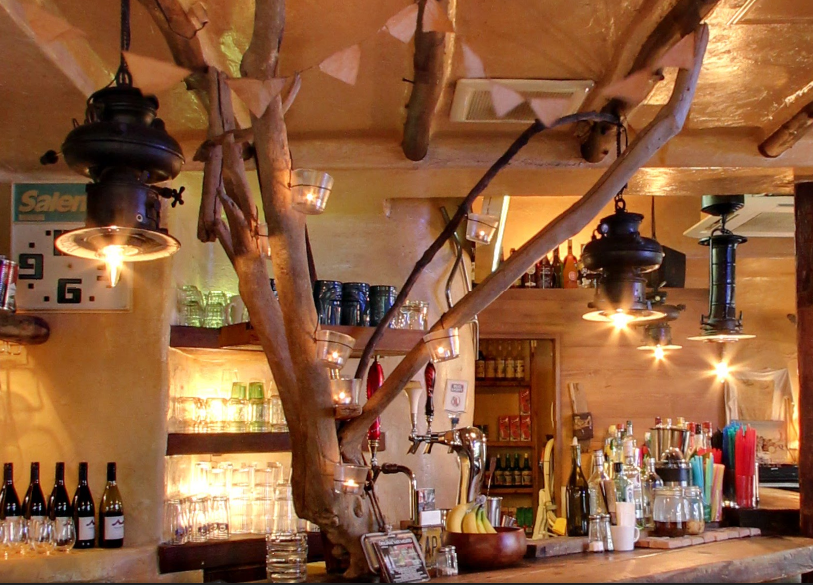
Reviews from locals often highlight the comfort factor. The space isn’t huge, but it’s warm and inviting. Wooden tables, the soft clatter of pans, and the low hum of conversation create a relaxed diner vibe. On weekends, you might have to wait a bit, especially around dinner time. From experience, though, the turnover is steady, and the staff handle the crowd efficiently without rushing anyone out the door.
Another thing I appreciate is how the restaurant adapts its cooking methods depending on the dish. For example, their curry base is simmered slowly to build complexity, while their sautéed items rely on quick, high-heat techniques. This mix of slow cooking and fast searing shows a broad understanding of how stoves can be used in different culinary contexts. It’s not just about turning a knob; it’s about controlling energy to shape flavor.
Of course, like any popular spot, peak hours can mean noise and limited seating. If you’re looking for a quiet, intimate dinner, you might want to come earlier in the evening. Still, the overall experience remains reliable. The address is easy to find in central Yokohama, and the location makes it a convenient stop after shopping or work.
Every time I leave, I’m reminded that great cooking doesn’t always require flashy techniques or exotic ingredients. Sometimes it’s about mastering the basics-heat, timing, and quality produce-and executing them consistently. At this Yokohama diner, the stoves aren’t just equipment; they’re the engine behind a menu that keeps regulars coming back for more.
Good to know
Service options
✓ Outdoor seating ✓ Delivery ✓ Takeaway ✓ Dine-inHighlights
✓ All you can drink ✓ Great beer selection ✓ Great cocktails ✓ SportPopular for
✓ Lunch ✓ Dinner ✓ Solo diningAccessibility
✓ Wheelchair-accessible car park ✓ Wheelchair-accessible entrance ✓ Wheelchair-accessible seatingOfferings
✓ Alcohol ✓ Beer ✓ Cocktails ✓ Coffee ✓ Happy-hour drinks ✓ Late-night food ✓ Quick bite ✓ Small plates ✓ Spirits ✓ WineDining options
✓ Brunch ✓ Lunch ✓ Dinner ✓ Catering ✓ Dessert ✓ Seating ✓ Table serviceAmenities
✓ Bar on site ✓ ToiletAtmosphere
✓ Casual ✓ Cosy ✓ TrendyCrowd
✓ Family friendly ✓ GroupsPlanning
✓ Accepts reservationsPayments
✓ Credit cards ✓ Debit cards ✓ NFC mobile payments ✓ PayPay ✓ Credit cardsChildren
✓ Good for kidsPhotos
Location
Reviews
A nice burger place with good food, drinks, and vibe. I was craving a burger on the way home and this was one of the only things open. I'm glad we found it because the burgers were really good. The drinks were beautifully presented and strong enough to make me feel it. I would definitely come back. Someone was also having a birthday celebration there. They turned the speakers to a birthday song and brought out a cake with sparklers.
Good location in Yokohama by the station. Good drinks. Not a bad avocado beer. Pretty good open restuarant. Friendly and professional staff. I'd recommend a try for this place
An excellent spot right near to Yokohama station. The minute anyone enters the pub, warmth of pub is real welcoming. Almost all drinks are available with special japanaese craft beers as well. They do have all top beers of Japan(Kirin,Sappore). They serve hard drinks as well. The barmen are really friendly and they always serve you with a happy face. Please try all sea food here, however my personal favorite was bufallo chicken and pepperoni pizza. A must visit place in Yokohama.
The food is really good and the staff are very nice as well. We did hoped the the portion of meat on the pork plate would be more though, other than that it was a really good experience! Their burgers’ patties and buns are definitely a must-taste. We think the buns are home-made so big thumbs up!